essential oil shelf life
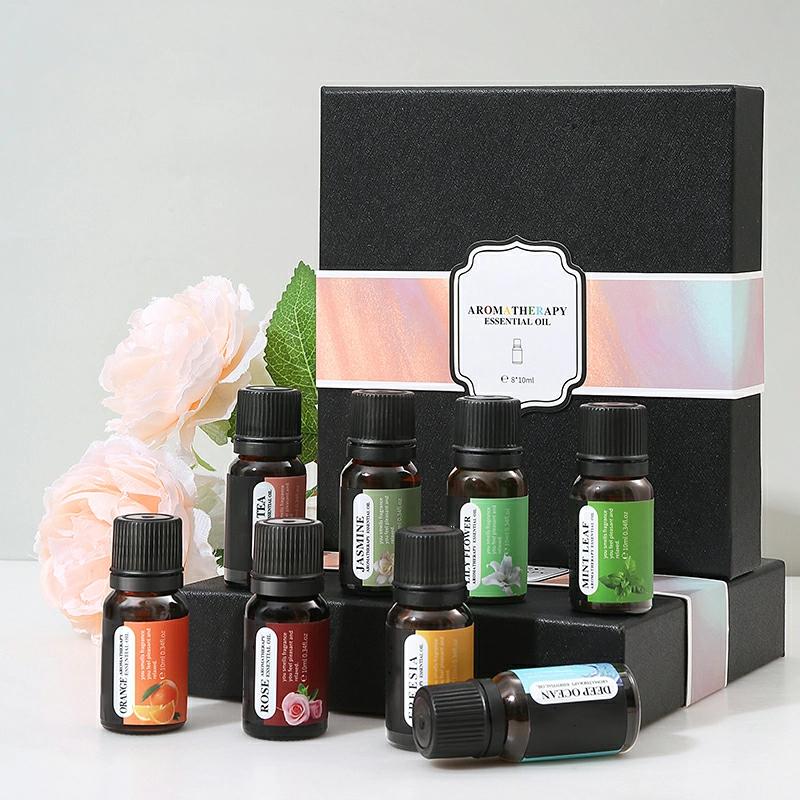
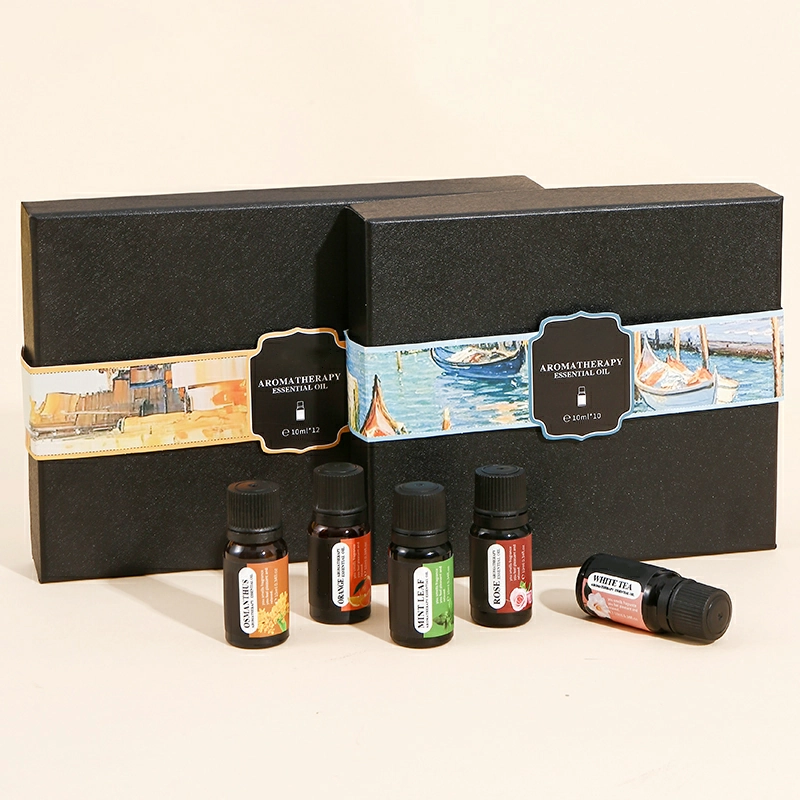
Essential oil shelf life refers to the period during which an essential oil retains its full potency, aroma, and therapeutic effectiveness. Understanding essential oil shelf life is critical for aromatherapists, wellness brands, cosmetic formulators, and everyday users who want to get the most value from their purchases. Most essential oils remain effective for one to three years, although some, like sandalwood and patchouli, can last five years or more when stored correctly. The key factors that influence essential oil shelf life include exposure to light, heat, oxygen, and moisture. Citrus oils, for example, oxidize quickly and typically have a shorter essential oil shelf life of around one year, while resinous and base-note oils tend to age gracefully over longer periods. Proper storage in dark amber glass bottles, kept in cool and dry environments, can significantly extend an oil's usable life. Recognizing changes in color, viscosity, and scent helps users identify when an oil has passed its peak. Labeling bottles with purchase and opening dates is one simple but effective practice for tracking essential oil shelf life across a collection. Technology now plays a growing role in this space, with UV-blocking packaging, nitrogen-flush sealing, and airtight dropper caps all engineered to preserve oil integrity. Suppliers and manufacturers increasingly invest in cold-chain logistics and climate-controlled storage to protect product quality from production to delivery. Whether you are building a retail product line or managing a personal collection, understanding essential oil shelf life allows you to maintain quality standards, reduce waste, and deliver consistent results every time.
 EN
EN