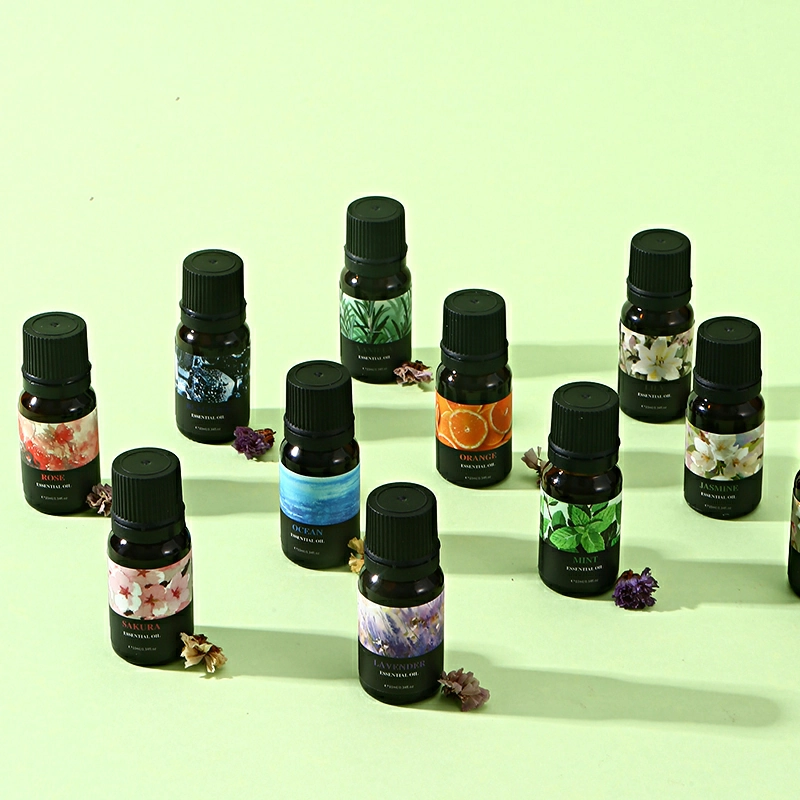
essential oil quality
Essential oil quality defines the standard by which every batch of aromatic extract is measured, evaluated, and ultimately trusted by consumers and professionals alike. When you assess essential oil quality, you are examining a combination of purity, potency, chemical composition, and sourcing integrity that together determine whether a product delivers real results. High essential oil quality begins at the cultivation stage, where plant species, soil conditions, and harvesting timing all influence the final concentration of active compounds. After harvest, extraction methods such as steam distillation, cold pressing, and CO2 extraction play a decisive role in preserving the therapeutic profile of each oil. Gas chromatography and mass spectrometry testing are the gold-standard technologies used to verify essential oil quality, identifying constituent levels and detecting adulterants or synthetic additives. Reputable producers also conduct organoleptic testing, reviewing aroma, color, and viscosity to ensure consistency across batches. The applications of high-grade oils span aromatherapy, cosmetic formulation, pharmaceutical compounding, food flavoring, and household product manufacturing. Each application demands a specific grade and specification, making essential oil quality a critical purchasing factor across multiple industries. Consumers benefit from oils that perform consistently, carry clear traceability documentation, and meet international safety standards such as ISO and AFNOR guidelines. Businesses gain competitive advantages when they source verified, tested extracts that reduce reformulation risk and strengthen product claims. Understanding essential oil quality empowers buyers to make informed decisions, select dependable suppliers, and build products that earn lasting customer loyalty in a crowded, quality-sensitive marketplace.




 EN
EN