Imagine walking into a little café in Portland on a rainy afternoon. The second you open the door, a soft cloud of lavender wraps around you and suddenly the whole day feels lighter. That magic? It comes from one quiet glass nebulizing diffuser sitting behind the counter. No giant machine, no fuss, just pure scent doing its thing. Moments like that explain why these sleek little devices are flying off shelves right now. For shop owners and resellers, glass nebulizing diffusers aren’t another dusty inventory item—they’re a ticket to happier customers and fatter margins. In this piece, we’ll walk through what’s driving the boom, toss in some real numbers, and share stories from folks like you are living every day.
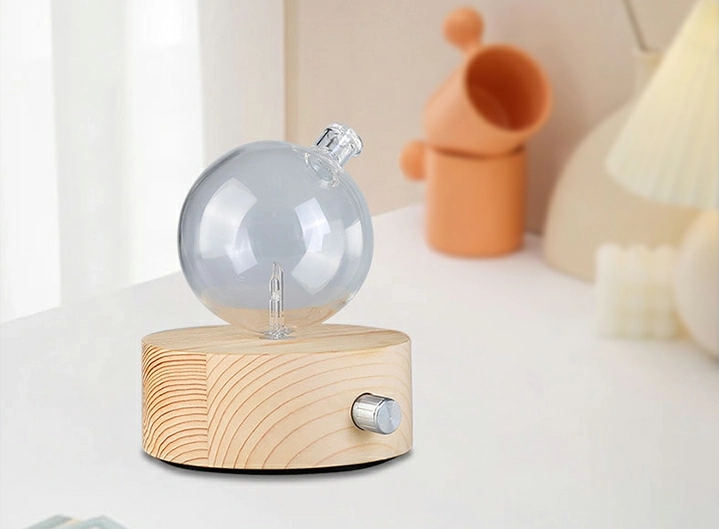
At their core, glass nebulizing diffusers work differently. They take straight essential oil, blast it with air pressure, and turn it into an ultra-fine, dry mist. No heat, no water, no funny business. The aroma stays exactly as nature intended, and it can easily fill rooms up to 800 square feet.
It’s surprisingly simple. A tiny pump pushes air through a delicate glass nozzle, breaking the oil into microscopic droplets. Because everything touching the oil is glass, nothing reacts, nothing absorbs, nothing smells weird the next time you switch scents. It’s clean, elegant, and tough enough to last years.
I talked to Sarah, a reseller down in Austin, last month. She told me, “The first time a customer saw the mist just float out with no water dripping anywhere, her jaw dropped. She bought two on the spot.” Six months later Sarah’s repeat orders are up almost 40%. That’s the kind of reaction that turns one-time buyers into regulars.
People keep coming back because these diffusers just work better:
For you, that means easy add-ons. Toss in a couple bottles of oil and a $49 diffuser suddenly becomes an $89 sale without breaking a sweat.
This wave didn’t come out of nowhere. After the pandemic, everybody got obsessed with breathing better air at home. Remote workers turned spare bedrooms into offices, and scent became the quickest way to make a space feel calm or energized.
These days, six out of ten American adults say they’ve used essential oils at least once this year. That’s a huge jump from five years ago. Glass nebulizing diffusers ride that wave perfectly—set-it-and-forget-it wellness that actually delivers.
One chain of gift shops in the Midwest told me nebulizers saved their slow season last winter. Holiday gift sets with a diffuser and three oils brought in an extra eight grand per location. Not bad for something that fits in a shoebox.
It’s not only homes. Yoga studios, hotel lobbies, even car dealerships are pumping scent now. The whole home-fragrance category is heading toward four billion dollars by 2030, and diffusers are eating the biggest slice. Glass versions look expensive without costing you an arm and a leg—wholesale prices usually sit between forty and eighty bucks, yet they retail for twice that.
Numbers make it real. Here’s a quick look at where things stand today and where they’re going fast.
| Segment | 2025 Value (USD Billion) | Projected 2030 Value (USD Billion) | CAGR (%) | Retailer Share (%) |
|---|---|---|---|---|
| Global Aromatherapy Diffusers | 2.34 | 4.33 | 9.2 | 48 |
| Nebulizing Sub-Market | 1.5 | 2.5 (est.) | 8.5 | 35 |
| North America Focus | 0.49 | 0.69 | 7.1 | 52 |
| Home Fragrance Overall | 2.66 (2022 base) | 4.08 | 5.5 | 40 |
Bottom line: almost half of every diffuser dollar flows through stores and resellers like you. Online shops that post short mist videos see conversion rates 12% higher than static photos. In-person retailers who run live demos? Impulse purchases jump over 20%.
Talk is cheap; here’s how real moves that pay off.
Start with solid suppliers who actually answer the phone when something ships late. Look for folks who’ll let you private-label or tweak colors without ordering a container load. One Denver reseller cut returns to almost zero after switching to a partner that fixes problems in a day instead of a month.
Quick wins:
Don’t just list features; paint a picture. “Turn your bedroom into a five-star spa in thirty seconds” beats bullet points every time. User photos and short clips crush it online. One pop-up event in Chicago last spring made three grand in a single weekend just letting people smell the mist for themselves.
When you need stock that shows up on time and works right out of the box, Ideal delivers. Started in 2021 in Guangzhou by Sand Chan.Ideal supplies scent diffusers and oils, humidifiers, aroma diffusers, and handy little mini fans to over forty countries. They run BSCI and ISO14001-certified factories, so every glass nebulizing diffuser carries CE, RoHS, and FCC certifications. Last year they moved $6.4 million worth of product, much of it custom-branded for shops and resellers around the world.
What retailers tell me they love most: real 24-hour support and flexible MOQs that don’t force you to bet the farm. Ideal’s tagline is “Refining air, Elevating Experience,” and after watching their stuff perform in stores from Miami to Seattle, it’s clear they mean it.
Glass nebulizing diffusers have moved from niche to must-have, riding a wellness wave that’s already worth billions and still picking up speed. They’re quiet, beautiful, and actually do what they promise. That combination is gold for anyone selling to today’s picky, scent-obsessed shoppers.
The good news? You’re in the perfect spot to cash in. Find the right partner, tell a good story, let customers see (and smell) the mist for themselves, and the sales pretty much take care of themselves. Grab a few units, play around with displays or bundles, and watch what happens. Your store—and your bank account—will notice the difference fast.
What’s the real difference between a glass nebulizing diffuser and the usual ultrasonic ones? Nebulizing versions skip water completely and blast pure oil into a dry mist. You get stronger, truer scent and zero chance of mold. Ultrasonic models are cheaper, but the aroma gets watered down and the tank needs cleaning constantly.
How can I move more glass nebulizing diffusers without slashing prices? Put one out front and center with the cap off so the mist is visible. Add a couple $10 oil vials as an easy bundle—average ticket jumps twenty, thirty bucks like clockwork. Online, short videos of the mist in a real room beat fancy product shots every day.
Are glass nebulizing diffusers a smart buy for small resellers just starting out? Hands down, yes. Wholesale around $40-60, retail $90-130, and returns stay tiny. With the category growing almost 10% a year, you’re not gambling—you’re getting in early on something people already want.
What size rooms do these actually cover? Most throw scent comfortably across 400-800 square feet. Open-plan living rooms, studios, yoga spaces—no problem. Smaller bedrooms? Just run it fifteen or twenty minutes and you’re golden.
Can I put my own logo on a glass nebulizing diffuser? Totally. Good suppliers like Ideal will etch or print your branding, change glass colors, whatever you need. Turns a great product into your product, and customers start coming back to you instead of Amazon.
 Room 707,Building No.9,133 Yanling Road, TianheDistrict, Guangzhou, China.
 Email:info@idealgz.com